3D Cube with Gradient Colors Vector Review
As a designer who spends more time than I care to admit staring at stitch grids and fabric swatches, I have learned that not every digital asset translates well into thread. The gap between a crisp vector illustration and a successful machine embroidery design is often where projects fail or succeed. This week, I put the 3D Cube with Gradient Colors Vector through its paces to see if it holds up in real-world application. My goal was simple: determine if this graphic deserves a spot in my library for client work, small business merchandise, or personal handmade gifts.
First Impressions and Visual Personality
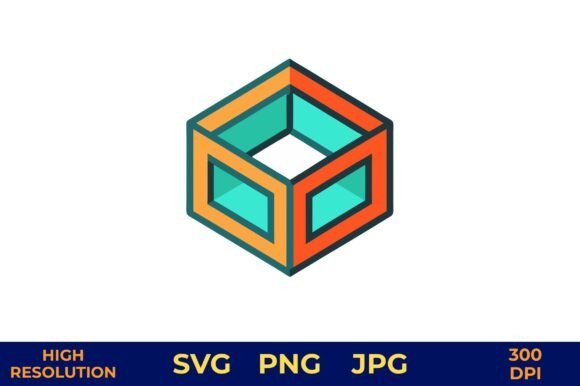
The moment you open the file, the 3D Cube with Gradient Colors Vector commands attention. It is not a subtle piece; it is bold, geometric, and undeniably modern. The interplay of vibrant orange and teal creates a high-contrast visual that feels energetic yet balanced. For an embroidery project, this color pairing is strategic. Orange provides warmth and visibility, while teal offers a cool, grounding counterpoint. When converted into thread colors, these gradients can mimic depth, provided the digitizer understands how to layer stitches effectively.
The shape itself—a three-dimensional cube—is a strong anchor. It suggests structure, creativity, and perhaps a nod to technology or puzzle-solving. This makes it incredibly versatile. It does not feel tied to a specific niche like "baby" or "vintage," which gives it a broad appeal for commercial embroidery and custom apparel. The layout is clean, meaning there is plenty of negative space around the main subject, which is crucial for avoiding clutter when stitching on smaller items.
Real-World Application: The Tote Bag Scenario
To test this design’s potential, I imagined preparing a custom embroidered tote bag for a local artisan market. This is a common scenario for many Etsy sellers and craft business owners who need products that stand out on a crowded table. A tote bag offers a large, flat canvas, perfect for showcasing the full geometry of the cube.
In this context, the 3D Cube with Gradient Colors Vector shines. Placed centrally on a natural cotton canvas tote, the bright gradient would pop against the neutral background. The geometric lines would translate well into satin stitch outlines, giving the bag a polished, professional look. Customers walking by are drawn to shapes they can recognize instantly. The cube is iconic; it requires no explanation. This immediate recognition boosts buyer engagement because the design communicates clarity and intention. If this were a complex, abstract swirl, the message might get lost in the stitching. Here, the message is sharp.
I also considered using this design for a sweatshirt embroidery project. Imagine a dark navy crewneck with the cube centered on the chest. The contrast between the dark fabric and the bright orange/teal threads would create a striking streetwear aesthetic. This kind of handmade product appeals to younger demographics who value unique, non-mass-produced graphics. It elevates a basic garment into a statement piece, increasing the perceived value of the item.
Performance on Different Fabrics and Items
While the tote bag is an obvious choice, let’s look at other design assets. How does this vector behave as an applique design or a dense fill? On a baby onesie, the cube could serve as a playful nursery decor element. However, here we must be cautious. Baby clothes require softness. If the digitization uses too much stitch density, the back of the fabric may become stiff, which is uncomfortable for sensitive skin. In this case, a lighter fill stitch or a combination of running stitch and satin might be preferable to maintain comfort while keeping the visual integrity.
For an embroidered patch, the cube works exceptionally well. Patches are often used on backpacks, denim jackets, or caps. The defined edges of the 3D cube allow for a clean border, making it easy to apply as a patch without fraying issues. The gradient effect, achieved through careful shading in the thread selection, adds a premium feel to what is otherwise a utilitarian accessory. This is ideal for small shop product branding, where consistency and quality signal trust.
Kitchen towels and aprons are another viable avenue. A tea towel featuring this geometric cube brings a modern touch to a rustic kitchen setting. The durability of the embroidery ensures that the design survives frequent washing, a key concern for functional home goods. The vibrant colors resist fading better than printed designs, adding long-term value to the finished product.
Where Caution Is Required
No design is universal, and the 3D Cube with Gradient Colors Vector has its limitations. I would advise against using this on curved surfaces like baseball caps unless you have a specialized cap frame and experience. The rigid geometry of the cube may distort if the fabric stretches or if the hoop tension is uneven. Similarly, on textured fabrics like heavy wool or bouclé, the fine details of the 3D shading may disappear. The thread will sink into the texture, losing the crisp definition that makes the vector appealing.
Small hoop sizes present another challenge. If you attempt to downscale this design significantly, the gradient transitions may become muddy. Embroidery machines have a minimum stitch length and width. If the details are too small, the machine cannot execute them cleanly, resulting in a blob rather than a cube. Always check the hoop size requirements before committing to a tiny personalized gift like a keychain or a hair clip.
Practical Designer Notes for Success
Before clicking "start" on your machine, there are several steps I recommend to ensure the 3D Cube with Gradient Colors Vector delivers a professional result. First, test the design on scrap fabric that matches the weight and stretch of your final material. This helps you gauge how the thread colors interact with the fabric base. A light orange on white looks very different from light orange on black.
Inspect the digitization closely. Look at the corners of the cube. Are they sharp, or do they round off due to excessive underlay? Check the stitch density in the shaded areas. If it is too dense, the fabric may pucker. If it is too sparse, the backing paper may show through. Use a proper stabilizer to support the fabric, especially if you are working with knit materials like t-shirts or sweatshirts.
It is also wise to view your design in black and white mockups. This strips away the color distraction and lets you evaluate the composition and balance. Does the cube feel centered? Is there enough breathing room? Once you are satisfied with the structure, reintroduce the vibrant orange and teal to confirm the emotional impact.
Finally, always verify licensing. If you plan to sell finished items or use this in a digital embroidery file package, ensure you have the commercial rights. Many graphics sold online are for personal use only. As a creative entrepreneur, protecting your business means understanding the legal boundaries of the assets you use.
Final Verdict
The 3D Cube with Gradient Colors Vector is a strong, versatile asset for any embroiderer looking to add a modern geometric touch to their portfolio. Its bold colors and clear structure make it suitable for a wide range of applications, from tote bag design to holiday embroidery gifts. While it requires careful handling on textured or small-scale items, its potential for creating high-value, eye-catching handmade products is undeniable. For designers seeking to elevate their brand consistency with contemporary aesthetics, this vector is a worthy addition to the collection.