3D Home Cinema Sign Laser Cut: A Brand Designer’s Review
When I first pulled 3D Home Cinema Sign Laser Cut from my folder of potential assets for a recent client project, I wasn’t just looking at a file; I was looking at a mood. As a brand designer and content marketer, my job is to ensure that every visual element we deploy communicates the right emotional tone before the audience even reads a single word of copy. This particular asset immediately signaled a shift from generic stock imagery to something with tactile depth and personality.
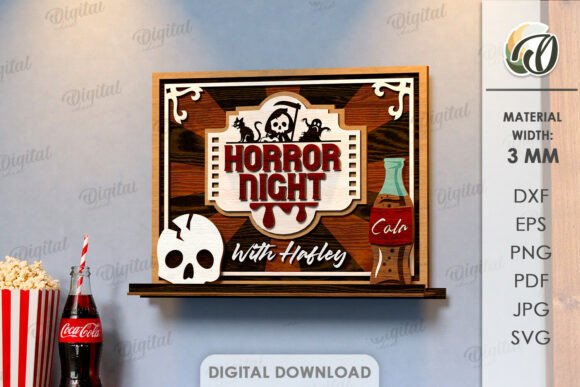
The initial impression is one of cozy sophistication. It evokes the feeling of a dedicated entertainment space, a premium home theater experience, or a thoughtful gift for a movie buff. For brands targeting lifestyle audiences, hobbyists, or those in the home decor niche, this design creates an instant sense of warmth and exclusivity. It feels suitable for casual branding that wants to feel elevated, handmade product lines, and lifestyle content that prioritizes atmosphere over sterile minimalism. However, because it is explicitly a digital product—specifically a zip folder containing SVG and DXF files rather than a physical object—it requires a strategic approach to how it is presented in marketing materials.
Fitting Into a Real-World Marketing Workflow
To understand the true value of this asset, let’s look at a practical scenario. Imagine you are launching a new line of artisanal popcorn blends or perhaps promoting a seasonal "Movie Night" bundle for a small business. You need visuals that stop the scroll on Instagram and Pinterest but also work as downloadable lead magnets for your email list. This is where 3D Home Cinema Sign Laser Cut becomes a versatile tool in your content kit.
Because the source files are provided in vector formats like SVG and DXF, the asset offers incredible flexibility. You are not limited to a static image. You can integrate this design into various stages of your campaign. For instance, you might use the vector data to create custom packaging inserts that customers can print and frame themselves, adding a layer of interactive engagement to your product unboxing experience. Alternatively, you could incorporate the design into Canva templates for social media managers, allowing them to maintain visual consistency across Facebook ads, Instagram posts, and Pinterest pins without needing advanced graphic design skills.
This asset supports content marketing by providing a strong visual anchor. When you pair this laser-cut style aesthetic with high-quality photography of your actual products, you bridge the gap between digital promotion and physical reality. The "laser cut" look implies precision and craftsmanship, which subtly transfers those qualities to the brand itself. It suggests that even though the sign is a digital file, the care put into the design reflects the care put into your business.
Visual Hierarchy and Brand Identity Integration
In the realm of modern design, visual hierarchy is everything. 3D Home Cinema Sign Laser Cut performs exceptionally well as a decorative brand element or a hero graphic. Its bold, dimensional lines naturally draw the eye, making it ideal for campaign headers, event flyers, or promotional banners where you want to capture attention quickly. When used correctly, it enhances the overall composition by adding texture and depth that flat illustrations often lack.
For brand identity purposes, this asset helps establish a distinct voice. If your brand is rooted in creativity, DIY culture, or home entertainment, this design reinforces that narrative. It pairs beautifully with serif fonts for a classic, elegant feel, or sans-serif fonts for a more contemporary, clean look. Designers should test how the asset interacts with different typography styles. For example, placing the design alongside a handwritten font can emphasize the personal, homemade aspect of a small business, while pairing it with a display font can make it feel more like a premium commercial product.
Furthermore, this design asset supports stronger recognition and emotional connection. By consistently using this specific visual motif across your web design, digital ads, and editorial layouts, you create a cohesive brand story. Audiences begin to associate the intricate, layered look of the cinema sign with your brand’s commitment to quality and detail. This consistency builds audience trust, as consumers feel they know what to expect from your visual communications.
Strategic Applications Across Platforms
The versatility of this SVG design allows it to be repurposed across multiple channels. Here is how it can support specific marketing goals:
- Social Media Graphics: Use the design as a background element for Instagram stories or as a sticker overlay on product photos to add a festive touch during holiday campaigns.
- Packaging Design: Incorporate the design into printable labels or tags that customers can attach to their purchases, extending the brand experience beyond the screen.
- Digital Ads: Utilize the high-contrast nature of the laser-cut style to create eye-catching Facebook ads that stand out against busy news feeds.
- Lead Magnets: Offer a simplified version of the design as a free printable download in exchange for email signups, driving traffic to your main store.
However, there are limitations to consider. This asset should be used carefully in formal corporate branding where a minimalist or strictly professional aesthetic is required. It may also struggle in dense information layouts or small mobile graphics where the intricate details could become muddy or illegible. Avoid placing it on low-contrast backgrounds or within text-heavy ads where it might compete with your primary message. The goal is to enhance the content, not overwhelm it.
Practical Notes for Designers and Marketers
Before integrating 3D Home Cinema Sign Laser Cut into your commercial projects, keep these essential tips in mind. First, always test the design with your specific brand color palette. While the default black and white usage provides a strong foundation, applying your brand colors can help it blend seamlessly with existing marketing visuals. Second, preview the asset on mobile screens to ensure readability and impact at smaller sizes. Third, compare it against competitor visuals to ensure it adds unique value rather than blending in with generic clipart.
Finally, confirm the commercial license terms before using this asset in paid campaigns or client work. Understanding the rights associated with the SVG and PNG design files ensures that your branding efforts remain compliant and professional. By treating this digital product with the same strategic care as any other creative design element, you can leverage its unique aesthetic to create memorable campaign visuals that resonate with your target audience.