3d Printer Creating Cups Vector Illustra Graphics and Illustrations
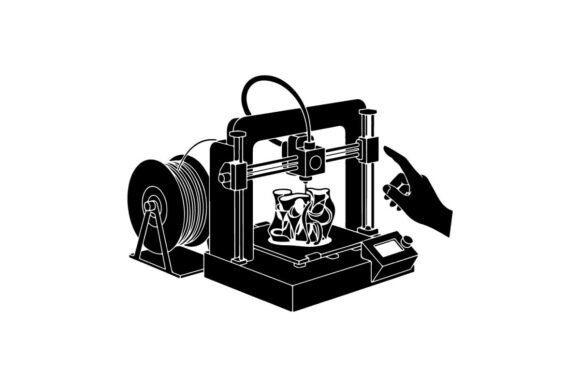
When I sit down to review a new graphic design asset for a client, my first instinct is always skepticism. The market is flooded with generic clip art that looks like it was generated by an algorithm with no understanding of composition or brand identity. However, when I pulled up the 3d Printer Creating Cups Vector Illustra, I found myself pausing. It isn’t just another decorative element; it carries a specific narrative weight that can elevate a project from "good" to "polished."
I recently took this asset into a mock-up scenario for a boutique startup launching a line of eco-friendly, custom-printed ceramic mugs. The client wanted to convey modernity, precision, and the handmade yet scalable nature of their production process. This illustration fits that brief with surprising elegance. It offers a clean, modern look across any creative project without shouting for attention, which is exactly what high-end branding requires.
The Visual Mood and First Impressions
The immediate appeal of this asset lies in its silhouette approach. In modern design, there is a strong preference for minimalism because it allows the message to breathe. This Silhouette Clip Art delivers on that promise. It doesn’t rely on complex shading or distracting textures to make its point. Instead, it uses clean lines and refined shapes to suggest the form of a 3D printer creating cups.
This aesthetic naturally fits projects that value clarity and sophistication. If you are working on brand identity for a tech-forward small business, or perhaps a handmade business that wants to highlight its use of modern technology, this visual language works perfectly. It creates a mood of efficiency and creativity simultaneously. The design feels intentional, not accidental, which builds visual trust with the audience.
Real-World Application in Client Projects
Let’s talk about how this performs in actual commercial design scenarios. I tested this vector illustration across several common deliverables to see where it shines and where it might struggle.
- Packaging Design: For a product launch, simplicity is key. Using this as a subtle background element or a primary icon on packaging helps communicate the unique selling proposition—custom manufacturing—without cluttering the label. It supports the product mockup by adding context.
- Social Media Graphics: In a feed full of noise, clean vectors stand out. This asset works beautifully as a hero graphic for Instagram posts or Pinterest pins. Its scalability ensures it remains crisp whether viewed on a mobile screen or a desktop monitor.
- Merchandise and Print-on-Demand: Whether you are designing t-shirts, tote bags, or stickers, this SVG design translates well to sublimation printing. The solid shapes hold up well against fabric textures, making it a versatile choice for print-on-demand sellers.
- Web Design and Editorial: On a website, this can serve as a section divider or an icon next to service descriptions. In editorial contexts, such as blog visuals or articles about maker culture, it adds a professional touch that generic stock photos often lack.
Strategic Placement and Hierarchy
One of the most critical aspects of using any design asset is understanding where it belongs in the visual hierarchy. This particular illustration has a distinct presence, but it is not aggressive. It performs best in large layout areas where it can be appreciated as a focal point. Imagine it centered on a landing page, accompanied by ample whitespace and a strong sans-serif font.
However, designers must be cautious. While it is a clipart asset, it should not be used in crowded layouts where visual competition is high. If you place it behind dense text or next to other complex graphics, the subtlety is lost. It also requires careful consideration regarding contrast. On low-contrast backgrounds, the details may get washed out, harming readability. Always test the asset on both light and dark backgrounds to ensure it maintains its integrity.
Technical Considerations for Professional Use
Before integrating this into a final client deliverable, there are several technical checks every designer should perform. Since this is a vector-based asset, you have the advantage of infinite scalability, but only if the file structure is sound.
- File Format Inspection: Verify that you have access to the editable source files (like .AI or .EPS) alongside the PNG versions. This allows you to tweak colors to match the client’s exact brand palette. A rigid color scheme can ruin even the best composition.
- Transparency Check: If using the PNG version, inspect the transparency edges closely. Look for jagged pixels or white halos that can appear around the silhouette. Clean edges are non-negotiable for professional work.
- Typography Pairing: Experiment with different font styles to see how they interact with the illustration. A clean sans serif font usually complements the modern vibe of this asset. However, don’t rule out a script font if you are aiming for a more artisanal feel, though this may clash with the industrial theme of the 3D printer.
- Print Quality: If the project involves physical outputs, print a test copy. Vectors should remain sharp, but sometimes compression artifacts in the export process can soften lines. Ensure the output meets your resolution standards.
Why This Asset Adds Value
Ultimately, the value of a creative design asset comes down to how much time it saves while enhancing quality. This Illustrations pack allows you to create effortlessly, reducing the need to draw complex machinery from scratch. It lets you focus on the broader strategy of the campaign.
For Etsy products and digital downloads, having high-quality, niche-specific graphics like this can differentiate your shop from competitors who use generic icons. It signals to the buyer that you care about detail. For marketing visuals, it provides a consistent visual thread that ties together your email newsletters, ad creatives, and social content.
Final Verdict
The 3d Printer Creating Cups Vector Illustra is a robust addition to any designer’s toolkit. It balances the technical aspect of manufacturing with the artistic flair of creation. It is suitable for a wide range of audiences, from corporate clients needing to explain their production process to crafters looking for unique elements for their Cricut projects.
Just remember to respect the space it needs. Use it to support your message, not overwhelm it. With proper placement, thoughtful typography, and attention to contrast, this asset can help you deliver a result that feels both modern and deeply professional. It is a smart investment for anyone looking to upgrade their design assets library.