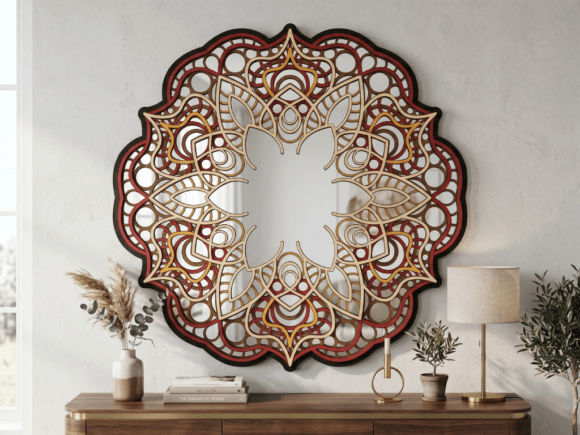
Multilayer Mandala Mirror Design 1: A Graphics and Crafts Review
As a brand designer who has spent years helping local businesses build their visual identity, I approach every new graphic design asset with a critical eye. It is not enough for an image to simply look pretty; it must serve a functional purpose in building trust, guiding the customer’s eye, and reinforcing brand personality. Today, I am reviewing Multilayer Mandala Mirror Design 1, a piece that sits squarely in the intersection of Crafts and Graphics. This review is designed for small business owners, boutique owners, food label creators, and marketing managers who are looking to elevate their product presentation.
The First Impression: Mood and Brand Personality
When you first encounter Multilayer Mandala Mirror Design 1, the immediate feeling is one of intricate elegance. The mandala structure inherently suggests symmetry, balance, and wholeness, which are powerful subconscious cues for consumers seeking quality and care. The "mirror" aspect mentioned in the title implies a reflective, premium finish that catches the light, adding a tactile dimension to what would otherwise be a flat digital file.
This asset does not scream for attention in a loud or chaotic way; instead, it whispers sophistication. It fits best with brands that want to appear established yet artisanal. Think of a high-end skincare line using organic ingredients, a boutique candle shop focusing on relaxation, or a specialty bakery that prides itself on handcrafted details. The mood is decidedly feminine, festive, and decorative, but with a modern twist that prevents it from feeling dated. For a local business, this kind of visual language helps signal that the product inside is worth the investment.
Real-World Application: From Packaging to Promotional Materials
In my recent projects, I have seen how versatile assets like Multilayer Mandala Mirror Design 1 can transform a generic product into a branded experience. Let us imagine we are working with a local handmade soap business called "Luna & Clay." They need packaging that stands out on a crowded shelf but also feels cohesive across their social media presence. Here is how this design asset can be deployed effectively:
- Product Labels and Stickers: The circular nature of a mandala makes it ideal for round labels. Placed centrally on a jar of body scrub or a bottle of essential oil, it acts as a focal point. The mirror finish (if printed on metallic stock) adds a luxury feel that justifies a higher price point.
- Hang Tags and Thank-You Cards: Small businesses thrive on personal connection. Using this design as a border or background element on thank-you cards creates a memorable unboxing experience. It turns a simple note into a keepsake.
- Social Media Graphics: For Instagram or Pinterest campaigns, this asset works beautifully as a hero graphic. It provides a strong visual anchor for promotional ads, seasonal campaign visuals, or new product announcements. Its intricate details reward zooming in, encouraging users to spend more time engaging with the post.
- Packaging Accents: If full-label coverage is too busy, use Multilayer Mandala Mirror Design 1 as a subtle accent. A thin border around a clear window in a box, or a watermark behind text, can add depth without cluttering the layout.
Supporting Business Presentation and Trust
Why does this matter? Because professional branding is not just about aesthetics; it is about psychology. When a customer sees a well-designed package featuring a balanced, harmonious image like a mandala, they subconsciously associate those qualities with the product itself. This leads to stronger emotional connection and improved customer trust.
Using a cohesive design asset across all touchpoints—from your website banner to your physical product—creates a clearer visual hierarchy. It helps customers recognize your brand instantly. In a market flooded with options, better product recognition means you stay top-of-mind. Furthermore, polished marketing visuals reduce the perceived risk for the buyer. They feel safer spending money on a brand that looks put-together and intentional.
Strategic Placement: Where It Works Best
To get the most out of Multilayer Mandala Mirror Design 1, you must choose its home wisely. It excels as a decorative brand element where space allows it to breathe. Consider using it in these scenarios:
- Boutique Visuals: In-store displays or window decals where the scale is large enough for the layers to be appreciated.
- Seasonal Packaging: Holiday-themed boxes or gift sets where the ornate style complements the festive mood.
- Editorial Design: Brochures or lookbooks that tell the story behind your handmade process.
- Web Design: As a header image or section divider on your e-commerce site to break up text-heavy pages.
Cautionary Notes: Where to Use Carefully
Even the best assets have limitations. Multilayer Mandala Mirror Design 1 is detailed and decorative, which means it can compete with other elements if not handled correctly. Avoid using it in the following contexts:
- Formal Corporate Branding: If your business is B2B or strictly professional, this may feel too whimsical or artistic.
- Very Small Labels: On tiny bottles, the intricate lines may blur or become indistinguishable when printed at a small scale.
- Crowded Product Packaging: Do not place this over areas with heavy legal information, ingredient lists, or barcodes. Visual hierarchy dictates that important text must remain legible.
- Luxury Minimalist Brands: If your brand aesthetic is stark, clean, and minimalist, this ornate design will clash rather than complement.
- Low-Contrast Backgrounds: Ensure there is sufficient contrast between the design and the background color so it remains visible.
Practical Designer Notes for Implementation
Before you incorporate Multilayer Mandala Mirror Design 1 into your final project, follow these practical steps to ensure quality:
Test on Real Mockups: Digital screens lie. Always create a product mockup that simulates the actual material. See how the design looks on matte paper versus glossy cardstock. The "mirror" effect will behave differently depending on the substrate.
Check Black and White Usage: Print the design in grayscale. Does it still hold its structure? If the design relies solely on color to distinguish layers, it may fall apart in monochrome applications like shipping labels or receipts.
Preview on Small Sizes: Zoom out. Can you still identify the mandala shape? If not, simplify the application or increase the size. Test it beside different font styles. A mandala pairs well with serif fonts for a classic look or script fonts for a handwritten feel, but avoid overly bold display fonts that might overwhelm the delicate lines.
Review File Formats: Determine if you need a PNG design for web use or an SVG design for print scalability. Vector formats allow you to resize without losing quality, which is crucial for large-format prints like posters or banners. If you are using a tool like Canva template software, ensure the transparency layers are preserved.
Confirm Commercial Licensing: This is non-negotiable. Before using any design assets for client work, business branding, or physical product sales, verify that you have the appropriate commercial license. Using a clipart or illustration without proper rights can lead to legal issues and damage your reputation.
Finally, remember the disclaimer often associated with such products: ⚠️ IMPORTANT NOTE Product images are for visual reference only. Final size, proportions, material appearance, and mirror finish may vary depending on your selected materials and production settings. A. This means you must do the due diligence of testing samples before committing to a large run.
In conclusion, Multilayer Mandala Mirror Design 1 is a powerful tool for local businesses aiming to add a touch of elegance and professionalism to their brand identity. By understanding its strengths and respecting its limitations, you can create packaging and promotional materials that not only look beautiful but also drive sales and build lasting customer loyalty.