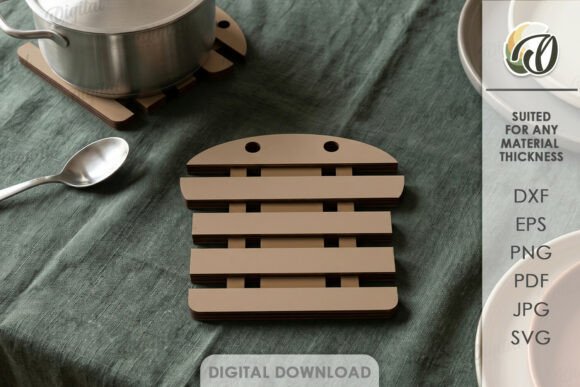
Reviewing 3D Hot Pad Laser Cut
As a designer who spends more time staring at stitch charts and fabric swatches than sleeping, I have developed a keen eye for what separates a decent digital file from a design that actually sells. When evaluating a new asset, I don’t just look at the preview image; I simulate the end product in my head. Today, I am putting 3D Hot Pad Laser Cut through its paces to see if it holds up as a viable addition to a craft business inventory or a personal project library.
This is not just another generic shape floating in a void. The concept of a "hot pad" combined with a laser-cut aesthetic suggests a specific vibe: cozy, functional, and slightly rustic-chic. It feels like a design meant to bring warmth to a kitchen or a living room, but the execution depends entirely on how well the embroidery translates that flat graphic into a tactile experience. Let’s dive into the practical realities of using this design.
The First Impression and Mood
When you first load the file, the immediate takeaway is the structural integrity of the layout. The term "Laser Cut" in the title implies precision. In embroidery terms, this usually means clean lines and distinct boundaries rather than loose, abstract fills. The design naturally lends itself to a handmade product feel because it mimics the look of a die-cut sticker or a precise vinyl decal, but rendered in thread.
The mood is undeniably homey. It screams comfort. Whether intended for a kitchen towel, a pot holder, or a decorative pillow cover, the design anchors the viewer’s attention immediately. It doesn’t try to be overly ornate; instead, it relies on a strong silhouette. For an Etsy seller looking for items that photograph well, this is a smart choice. The visual personality is friendly and accessible, making it suitable for a wide range of demographics, from young couples setting up their first home to seasoned hobbyists decorating their craft rooms.
Real-World Application Scenarios
I often test designs by imagining them on specific garments and accessories. Here is how 3D Hot Pad Laser Cut performs in common use cases:
- Custom Apparel and Sweatshirts: Placing this on a heavyweight cotton sweatshirt creates a striking contrast. The structured nature of the design works well against the soft drape of knit fabric. It looks best when centered on the chest or placed on the back near the neckline. It adds a layer of professionalism to the garment, elevating it from basic merchandise to a branded piece.
- Kitchen Textiles: This is perhaps the most natural fit. Embroidering this onto a linen tea towel or a thick cotton apron enhances the utility of the item. Customers love products that serve a dual purpose—functionality meets decor. A set of matching embroidered hot pads can become a high-value bundle in a small shop product line.
- Baby Items and Nursery Decor: While the name suggests heat resistance, the aesthetic is soft enough for baby blankets or burp cloths. The clean lines are easy for young eyes to track, and the theme fits perfectly into a rustic or farmhouse-themed nursery. It serves as a thoughtful personalized gift for baby showers.
- Patches and Accessories: If you are creating embroidered patches for denim jackets or backpacks, this design offers excellent scalability. It reads clearly even at smaller sizes, provided the stitch density is managed correctly.
Where to Exercise Caution
No design is perfect for every surface. As a reviewer, I must highlight where 3D Hot Pad Laser Cut might struggle. Precision matters here.
Avoid placing this on highly textured fabrics like heavy bouclé wool or loose-weave burlap unless you are using a substantial stabilizer. The fine details that give the "laser cut" look its charm can get lost in the nap of the fabric. Similarly, stretchy knits like thin jersey t-shirts require careful hooping and possibly tear-away stabilizer to prevent puckering, which would distort the geometric precision of the design.
Dark fabrics present a different challenge. If the design relies on negative space or light-colored threads to define its edges, it may lack definition on black or navy material. Always check your thread colors against your base fabric before committing to a full production run. Additionally, be mindful of small hoop sizes. If the design contains intricate inner details, cramming it into a tiny hoop might result in overcrowding, leading to thread breaks or a muddy appearance.
Visual Appeal and Product Value
In the world of commercial embroidery, perception is reality. A well-executed design builds customer trust. When a buyer sees a crisp, clean embroidery job, they assume the entire product is made with care. 3D Hot Pad Laser Cut supports this assumption. Its structured layout suggests intentionality and quality control.
Furthermore, the design enhances brand consistency. If your shop focuses on clean, modern, or rustic aesthetics, this file fits seamlessly into that narrative. It helps create a cohesive collection. For instance, pairing it with complementary monograms or simple border stitches can create a unified look across your design assets. This cohesion is crucial for standing out in a crowded marketplace like Etsy or a local craft fair.
From a marketing perspective, this design is highly "gift-able." It evokes feelings of hospitality and care. Packaging a finished product with this embroidery alongside a nice ribbon or tag makes it an attractive option for holiday shoppers looking for holiday embroidery gifts. It feels personal yet polished.
Practical Designer Notes
Before you hit the start button on your machine, keep these technical tips in mind to ensure success:
- Test on Scrap Fabric: Never go straight to your final product. Run the design on a scrap piece of the same fabric type. This allows you to judge the scale and how the threads interact with the weave.
- Check Stitch Density: Review the stitch density within the software. If areas are too dense, the fabric may pucker. If too sparse, the backing may show through. Adjustments might be needed depending on your machine’s capabilities.
- Stabilizer Selection: Use the appropriate stabilizer for your fabric weight. Heavy-duty woven stabilizers are often best for towels and aprons, while lighter non-woven options may suffice for lighter cottons.
- Black and White Mockups: Convert your design preview to grayscale. This helps you see if the contrast between the thread and fabric is sufficient without the distraction of color.
- Licensing Verification: Since this is a digital embroidery file, double-check the license agreement. Ensure you are permitted to sell finished goods created with this design. Some licenses restrict commercial use or limit the number of units you can produce.
- Hoop Size Confirmation: Verify that your machine’s maximum hoop size accommodates the design dimensions. If it is borderline, consider resizing carefully to avoid losing critical details.
Final Verdict
3D Hot Pad Laser Cut is a versatile, visually appealing design that bridges the gap between decorative art and functional home decor. It works exceptionally well for custom apparel, kitchen textiles, and boutique branding. Its clean aesthetic appeals to modern buyers who appreciate craftsmanship.
While it requires careful attention to fabric choice and stabilization to maintain its sharp look, the payoff is a professional-looking finished product that customers will value. For designers and sellers looking to expand their Other Home Decor offerings with a touch of Laser Cutting inspired precision, this is a solid investment. Just remember to test thoroughly and respect the licensing terms. When executed correctly, this design has the potential to become a staple in your creative workflow.