Vibrant 3D Floral Cluster Review
As a designer who spends more time than I care to admit staring at stitch density charts and testing thread tension, I approach every new digital asset with a healthy dose of skepticism. The market is flooded with "premium" graphics that fall apart under the needle or look muddy on finished products. That is why I take a practical, real-world approach when evaluating a Vibrant 3D Floral Cluster 20oz Wrap. This isn't just about how pretty the preview image looks; it is about whether this design holds up in a production environment, whether it translates well to various fabrics, and whether it adds tangible value to a handmade product.
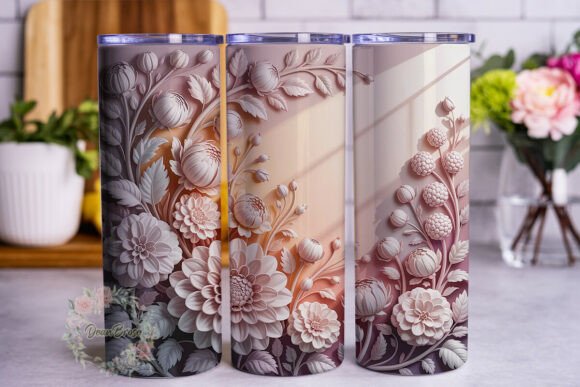
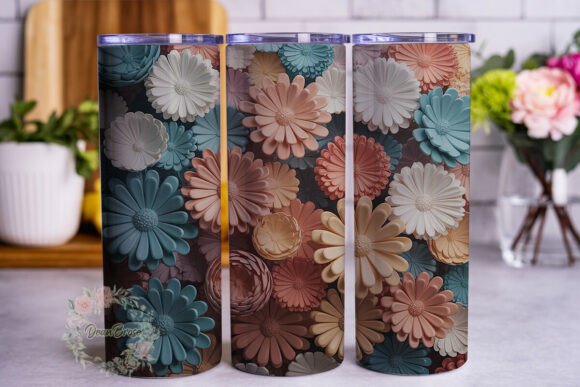
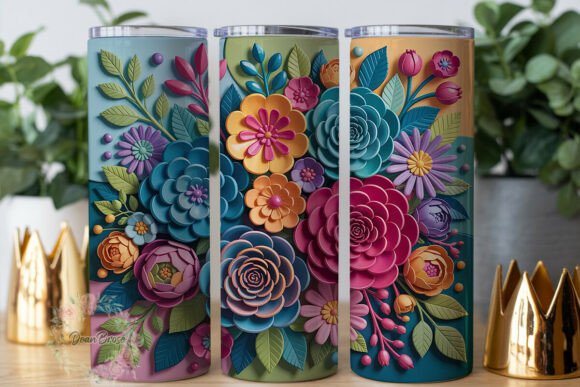
When I first pulled up the visual for this floral cluster, my immediate reaction was one of balanced vibrancy. The term "3D" in embroidery graphics often implies heavy fill stitches meant to create depth, but true dimension comes from thoughtful color placement and appropriate stitch direction. This design feels like it has a natural flow. It doesn’t scream for attention so much as it commands respect through composition. For an embroidery project intended for commercial use, that subtlety is key. It suggests a design that will age well on clothing and accessories, avoiding the trend-chasing aesthetic that makes items look dated within a season.
Real-World Application: From Screen to Stitch
To truly understand the utility of this graphic, I imagine it applied to specific scenarios rather than just looking at it in isolation. Let’s say I am preparing a custom embroidered tote bag for a local boutique client. A large, dense floral cluster can easily overwhelm a canvas tote if the scale isn't right. However, the layout of this Vibrant 3D Floral Cluster 20oz Wrap seems to have enough negative space and organic edges that it would sit beautifully on the front panel without feeling cramped. It transforms a plain accessory into a statement piece, elevating the perceived value of the handmade product.
Consider another scenario: a small business owner creating personalized gifts for the holiday season. Imagine this design stitched onto a high-quality sweatshirt or a cozy throw blanket. The "3D" aspect, likely achieved through varying shades and perhaps some satin stitch outlining, catches the light differently than flat fills. This visual interest is crucial for Etsy seller listings where customers cannot touch the product. The depth in the design mimics the texture of actual thread, making the digital mockup feel more authentic and trustworthy. When buyers see a design that promises realistic texture, their confidence in the quality of the final item increases.
I also envision this design working exceptionally well for nursery decor or baby clothes. Floral motifs are timeless, but they need to be soft enough not to irritate sensitive skin while still being distinct. If the underlying file structure allows for smooth transitions between colors, this cluster could serve as a stunning centerpiece for a onesie or a crib mobile accent. It bridges the gap between delicate detail and bold presence, which is exactly what makes a successful custom apparel design.
Technical Performance and Fabric Considerations
Not all designs are created equal, and knowing where a design should be used carefully is part of professional integrity. While this floral cluster is versatile, there are limitations. Placing a complex, multi-colored floral arrangement on a highly textured fabric, such as a heavy bouclé wool or a loose-weave linen, can result in lost detail. The threads may not lay flat, causing the intricate parts of the cluster to bunch up or distort.
Similarly, stretchy fabrics require careful stabilization. If you are attempting to embroider this on a cap or a curved surface like a hat brim, the curvature can distort the symmetry of the flowers unless the design is specifically digitized for that curve. For flat surfaces like aprons, pillow covers, or kitchen towels, the stability is easier to maintain. I always advise checking the stitch density before committing to a run. If the fill areas are too dense, you risk puckering the fabric, especially if you are using a lightweight cotton or polyester blend. Using the proper stabilizer—whether tear-away, cut-away, or water-soluble—is non-negotiable for maintaining the crispness of the satin stitch edges.
Dark fabrics present another challenge. If the base layer of the floral design is not opaque enough, the dark background will show through, muting the vibrancy. Testing the design in a black-and-white mockup is a smart move here. It helps you determine if the contrast between the thread colors and the fabric is sufficient to make the design pop. If the contrast is low, you might need to add a backing layer or choose a different thread palette to ensure the finished product remains visually striking.
Practical Designer Notes for Implementation
Before integrating this machine embroidery design into your workflow, there are several practical steps to ensure success. First, always test the design on scrap fabric that matches the weight and type of your final material. This reveals how the thread colors interact with the specific dye lot of your fabric. What looks vibrant on a screen might appear dull on a washed cotton tee.
Inspect the small details closely. In a complex floral cluster, tiny petals or leaves can sometimes merge together if the hoop size is too small or if the resolution of the source file is insufficient. Confirm the recommended hoop size to ensure the entire design fits comfortably without awkward re-hooping, which can misalign the pattern. If the design includes fine lines or delicate accents, verify that the digitization supports these elements without breaking the thread.
Furthermore, consider the end-use of the item. If the product will undergo frequent washing, such as workwear or children's clothing, ensure the design is durable. Dense fills hold up better than sparse running stitches, but excessive density can cause wear over time. Balance is key. Also, remember to check the licensing terms. Even if the file is marketed as a digital embroidery file for personal use, selling finished items often requires a commercial license. Always confirm whether you have the right to sell products made with this design asset to avoid legal complications.
Final Verdict on Visual Appeal and Value
The Vibrant 3D Floral Cluster 20oz Wrap stands out as a robust option for designers looking to add a touch of elegance and depth to their creations. Its strength lies in its adaptability—it works equally well on a tote bag design for a summer market or as a sophisticated accent on a winter sweatshirt embroidery piece. The visual personality of the design suggests confidence; it doesn't need excessive embellishment to shine.
For the craft business owner, this design offers a reliable way to increase the perceived value of merchandise. Customers are drawn to pieces that look professionally executed, with clear definition and rich color. By choosing a design that maintains its integrity across different materials and applications, you build brand consistency and customer trust. Whether you are creating a single personalized gift for a friend or mass-producing inventory for an online store, this floral cluster provides a solid foundation for beautiful, wearable art.
In conclusion, this is not just a pretty picture; it is a functional tool for the serious maker. It respects the technical constraints of embroidery while maximizing aesthetic impact. If you are looking to elevate your small shop product line with designs that feel both modern and timeless, this cluster deserves a spot in your library. Just remember to prep your fabric, stabilize properly, and test thoroughly. That is the difference between a good design and a great finished product.