3D Stained Glass Floor Lamp Laser Cut: Home Decor Branding
As a brand designer who has spent years helping local businesses transition from generic market stalls to recognizable retail brands, I approach every graphic design asset with a critical eye. It is not enough for a file to simply look pretty; it must serve a strategic purpose in small business branding, enhance shelf appeal, and communicate the right emotional tone before a customer even reads the price tag. Recently, I evaluated a specific vector template titled "3D Stained Glass Floor Lamp Laser Cut" for potential use in a client project involving artisanal home goods. This review breaks down how this Laser Cutting asset fits into real-world packaging design, promotional materials, and overall brand identity.
The First Impression: Mood and Market Fit
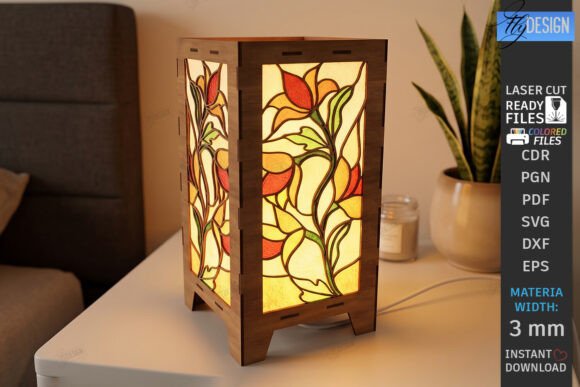
When you first load the file, the immediate takeaway is its intricate, Art Nouveau-inspired aesthetic. The design features floral motifs—specifically tulips and roses—integrated with vintage celestial elements like moons and stars. For a local business owner, particularly one in the Home Decor sector, this immediately signals a brand personality that is elegant, romantic, and slightly rustic. It does not scream modern minimalism or corporate boldness; instead, it whispers of handmade craftsmanship and organic beauty.
This design asset works exceptionally well for boutique stores, candle makers, soap artisans, and florists. If your business relies on creating an emotional connection through visual softness and decorative detail, this template provides a strong foundation. However, if you are running a tech startup or a formal legal firm, this asset would likely clash with your desired brand identity. It suggests a premium, perhaps feminine-leaning product line where the packaging itself is considered part of the gift experience.
Practical Applications in Local Business Design
In my recent evaluation, I tested this vector file across several common touchpoints for a hypothetical local skincare and candle brand. Here is how the asset performed in practical scenarios:
- Packaging Design and Labels: The intricate laser-cut pattern serves as a stunning outer sleeve for candle jars or soap boxes. When used as a die-cut window or a full wrap, it adds a tactile dimension that generic printed labels cannot achieve. It transforms a simple cardboard box into a decorative object.
- Hang Tags and Thank-You Cards: Because the design includes negative space (the cutouts), it functions beautifully as a hang tag. You can thread ribbon through the moon or flower centers. On thank-you cards, it acts as a sophisticated border that frames your handwritten message without overwhelming the text.
- Social Media Graphics: For social media managers, this asset is invaluable for creating consistent visual themes. Using the vector file as a background element in Instagram posts or Pinterest pins helps establish a cohesive feed aesthetic. It supports marketing visuals by adding depth and texture to flat photography of products.
- Product Mockups: Before committing to expensive physical prototypes, designers can use this file to create high-quality digital mockups. Placing the stained glass pattern over a 3D model of a lamp or lantern allows you to visualize the final product’s light diffusion and shadow play, which is crucial for selling Home Decor items online.
- Event Promotional Materials: For local craft fairs or pop-up shops, large-format prints of this design can be used on booth backdrops or banners. The high contrast and detailed lines hold up well at larger sizes, drawing attention to your stall from a distance.
Enhancing Business Presentation and Trust
Investing in high-quality design assets directly impacts customer perception. When a small business uses professional-grade templates like this Laser Cutting file, it signals attention to detail. Customers subconsciously associate polished packaging with product quality. By integrating this asset, you achieve a stronger first impression and better product recognition. It creates a clearer visual hierarchy, guiding the eye to the brand name while providing decorative context.
Furthermore, consistency is key to building trust. If you use this same floral-stained-glass motif across your website banners, email newsletters, and physical tags, you reinforce your brand identity. This repetition makes your business feel established and reliable, rather than amateurish or transient. In the competitive world of handmade business and local business competition, these subtle cues can be the difference between a one-time buyer and a loyal customer.
Where to Use Carefully: Limitations and Risks
No single asset is perfect for every situation. While this graphic design asset is versatile, there are specific contexts where it should be used with caution:
- Formal Corporate Branding: As mentioned, this style is too decorative for B2B services or serious financial institutions. It lacks the neutrality required for such sectors.
- Very Small Labels: Laser-cut details rely on clean edges. If scaled down too small for a tiny ingredient label or a small bottle cap, the fine lines may become muddy or difficult to reproduce accurately. Always test at actual size.
- Crowded Layouts: Avoid placing heavy text or complex graphics directly over the intricate parts of the design. Let the asset breathe. It should act as a frame or accent, not compete with essential information like pricing or ingredients.
- Luxury Minimalist Brands: If your brand ethos is "less is more," this ornate Victorian-style design may feel cluttered and outdated. Minimalist brands typically prefer solid colors, thin lines, and ample white space.
Designer Notes for Implementation
To get the most out of this file, I recommend the following practical steps during your commercial design process:
- Test on Real Mockups: Do not judge the design solely on your screen. Print it on the actual material you plan to use (cardstock, vellum, acrylic) to see how the laser cutter handles the density of the cuts.
- Check Black and White Usage: Ensure the design remains legible and striking in pure black and white. This ensures versatility if you decide to change your brand colors later.
- Font Pairing: Test the asset alongside different typography styles. A serif font might complement the vintage feel, while a clean sans-serif could provide a modern contrast. Handwritten fonts might work well for personal touches but can clash if they are too chaotic.
- Inspect Vector Editability: Confirm that you have access to the SVG or AI source files. This allows you to adjust the scale of the flowers or stars to fit specific dimensions. Raster PNGs limit your flexibility.
- Verify Commercial Licensing: Before using this asset for any client work, physical product sales, or mass-produced marketing materials, double-check the commercial license terms. Some marketplaces restrict the number of physical units you can produce or require attribution.
Ultimately, the "3D Stained Glass Floor Lamp Laser Cut" template is a powerful tool for businesses looking to evoke warmth, elegance, and craftsmanship. By understanding its strengths and limitations, you can integrate it seamlessly into your product packaging, web design, and editorial design efforts. Whether you are a creative entrepreneur launching a new line of candles or a food business seeking a unique jar topper, this asset offers a blend of artistry and functionality that can elevate your brand presence. Remember, good design is not just about aesthetics; it is about solving problems and communicating value. This template, when used strategically, does exactly that.