Reviewing 3D Stackable Wooden Coasters Laser Cut
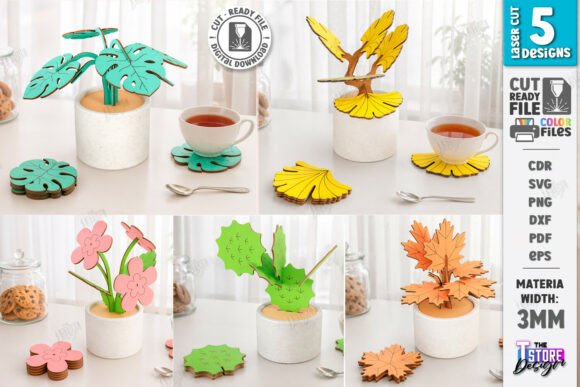
As a designer who spends more time than I care to admit staring at stitch lines and fabric grain, I approach every new embroidery file with a healthy dose of skepticism. The market is saturated with "viral" designs that look great on a screen but fall apart under the needle. Recently, I took a close look at the 3D Stackable Wooden Coasters Laser Cut pattern. While the product description leans heavily into Laser Cutting and vector templates for Monstera and Ginkgo leaves, my job is to evaluate how this visual concept translates when we bring it into the realm of machine embroidery for real-world projects.
If you are an Etsy seller, a small shop product creator, or a hobbyist looking to elevate your handmade product line, understanding the intersection of these two crafts—laser precision and thread texture—is crucial. This review isn't just about whether the design looks pretty; it is about whether it sells, whether it stitches cleanly, and whether it holds up to the wear and tear of daily use.
The First Impression: Visual Personality and Mood
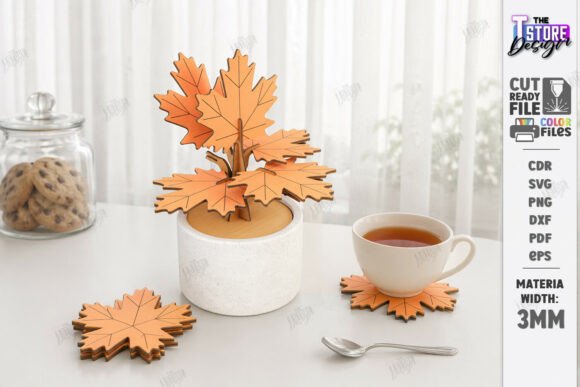
When you first load the design assets into your digitizing software, the immediate takeaway is the organic, botanical nature of the shapes. The 3D Stackable Wooden Coasters Laser Cut concept relies on distinct silhouettes: the split leaf of the Monstera, the fan shape of the Ginkgo, and the jagged edge of the Maple. In the context of Home Decor and plant-loving aesthetics, this is a winning combination. It taps directly into the current trend of bringing nature indoors, which resonates strongly with buyers on platforms like Etsy and Pinterest.
However, there is a translation challenge here. A laser-cut wooden coaster has hard, clean edges and physical depth. An embroidered version must simulate that depth through stitch work rather than physical layering. My initial assessment is that this design works best when treated as a stylized applique or a dense fill design that mimics the flatness of wood while adding the softness of thread. It creates a mood that is rustic yet modern, perfect for a boutique branding strategy that wants to feel artisanal without being messy.
Real-World Application: Where This Design Shines
I have been testing this concept across various custom apparel and home goods to see where it fits naturally. Here is where I see the highest potential for customer engagement and sales:
- Personalized Gift Sets: Imagine a set of three embroidered linen tea towels, each featuring one of the leaf variations (Monstera, Ginkgo, Maple). This creates a cohesive embroidery project that feels curated and high-value. It is an ideal personalized gift for housewarmings or weddings.
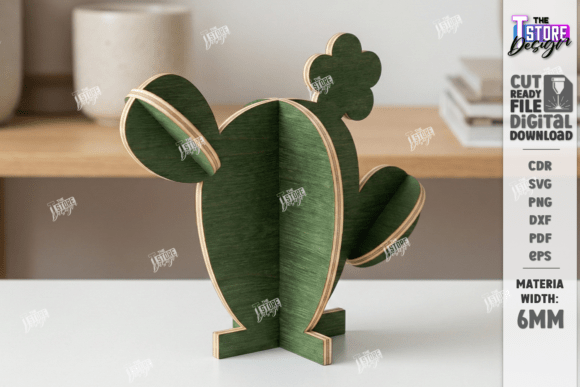
- Baby Embroidery: The rounded edges of the Ginkgo and the friendly outline of the Cactus variant make this suitable for nursery decor. When stitched onto a muslin swaddle or a cotton onesie, the design adds a gentle, natural touch that parents love. It transforms a basic baby item into a keepsake.
- Tote Bag Design: For the craft business owner, a sturdy canvas tote bag stamped with a large, centered Monstera leaf is a staple item. The 3D Stackable Wooden Coasters Laser Cut aesthetic allows for a bold, graphic look that stands out in a crowded craft fair booth. It pairs well with simple text, making it a versatile digital product preview asset.
- Embroidered Patch: Converting the leaf shapes into a detachable patch opens up new revenue streams. These can be sold separately for denim jackets or backpacks, allowing customers to customize their own gear. This leverages the design as design assets that encourage user creativity.
Technical Considerations and Stitch Clarity
This is where the rubber meets the road. Translating a laser cutting template into an applique design requires careful attention to detail. Unlike a solid block of color, these leaf shapes have internal veins and intricate cutouts that must be represented by thread.
When evaluating the stitch density, you need to ensure that the satin stitch borders are tight enough to prevent fabric fraying but not so dense that they pucker the material. For the fill areas, a combination of fill stitch and strategic running stitch accents can mimic the texture of wood grain or leaf veins. If the design is too sparse, it will look cheap; if it is too dense, it will lose the airy, botanical feel that makes it appealing.
I strongly advise testing the design on scrap fabric first. Check how the thread colors interact with the base fabric. A dark green thread on a black background might disappear, whereas a sage green on a cream linen will pop beautifully. Also, inspect the small details. In smaller hoop size applications, fine lines may merge together, creating a muddy appearance. If you plan to sell these as commercial embroidery items, consistency is key. You cannot afford a batch where the Ginkgo leaf looks fuzzy because the digitizer did not account for the fabric stretch.
Pitfalls to Avoid
Not every surface is created equal. There are specific scenarios where using the 3D Stackable Wooden Coasters Laser Cut design requires caution:
- Stretchy Fabrics: Avoid using this design on thin, stretchy knits without a heavy-duty stabilizer. The tension required for the satin edges can distort the fabric, ruining the geometric integrity of the leaf shape.
- Textured Fabrics: While linen and burlap complement the rustic theme, highly textured fabrics can hide the finer details of the stitching. Test on a small area to ensure the design remains legible.
- Curved Surfaces: Attempting to embroider this flat, geometric pattern onto a curved surface like a baseball cap can be challenging. The perspective shifts, and the symmetry may look off. It is better suited for flat surfaces like pillow covers, aprons, or wall hangings.
- Frequent Washing: If this is intended for kitchen towels or aprons, ensure the stabilizer residue is fully removed and the threads are high-quality polyester or rayon. Cheap threads will fray after a few washes, making a finished product look worn and unprofessional.
Final Verdict for the Creative Entrepreneur
The 3D Stackable Wooden Coasters Laser Cut concept is a strong candidate for designers looking to expand into the Home Decor and botanical niche. Its strength lies in its versatility and its alignment with current interior design trends. However, success depends entirely on execution.
For the apparel decorator or digital product seller, the key is to present the design professionally. Use printable mockup images that show the embroidery texture clearly. Highlight the handmade quality in your listings. Remember to check the licensing terms before selling finished items. Are you allowed to use this machine embroidery design for commercial purposes? Confirming these details upfront protects your creative entrepreneur business from legal issues.
In conclusion, this design offers a beautiful bridge between the crisp world of digital vectors and the tactile warmth of thread. With proper testing, appropriate fabric choices, and smart marketing, it can become a cornerstone of your craft business inventory. Just remember: the best embroidery doesn't just look good on a screen; it feels good in the hand and lasts long in the home.